When was plastic invented? Chronologically Explanation
Plastic, a revolutionary and versatile material, was first invented in the early 20th century. The landmark moment occurred in 1907 when Belgian chemist Leo Baekeland successfully synthesized Bakelite, marking the birth of the world’s first fully synthetic plastic. This pioneering invention laid the foundation for the subsequent development of various plastic polymers, ushering in a new era of materials that would profoundly impact industries and everyday life.
In this content, you can find out chronologically when plastic was invented.
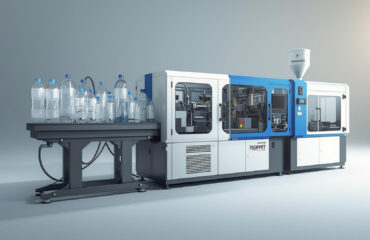
AS YM Machines we are one of the best blow moulding machine manufacturers in Turkey.



Early Experiments with Synthetic Materials (Before the 20th Century)

Before the 20th century, the groundwork for synthetic materials and, eventually, plastics was laid through a series of early experiments. Chemists and scientists explored the possibility of creating artificial substances that could mimic or improve upon the properties of natural materials.
While these early attempts were not yet true plastics, they played a crucial role in inspiring further research and paving the way for the breakthroughs that would follow in the early 1900s. These experiments set the stage for innovative thinking that would ultimately lead to the development of synthetic polymers and the birth of the modern plastic industry.
Leo Baekeland and the Birth of Bakelite (1907)

In 1907, Belgian chemist Leo Baekeland achieved a groundbreaking milestone with the invention of Bakelite, marking a pivotal moment in the history of plastics. Baekeland, a visionary scientist, successfully synthesized this revolutionary material by combining phenol and formaldehyde.
Bakelite, the first fully synthetic plastic, possessed remarkable heat resistance and electrical insulating properties, making it highly versatile. Baekeland’s discovery not only revolutionized industries such as manufacturing and electronics but also laid the foundation for the widespread use of plastics in various applications throughout the 20th century.
Rise of Synthetic Polymers (1920s-1930s)

During the 1920s and 1930s, the development of synthetic polymers marked a transformative period in the evolution of plastics. Researchers expanded upon Leo Baekeland’s pioneering work with Bakelite, exploring new chemical processes to create a diverse range of synthetic materials.
Nylon, a significant breakthrough in 1935, emerged as the first commercially successful synthetic polymer, finding applications in textiles and other industries. This era witnessed a surge in scientific innovations, setting the stage for the widespread adoption of various plastic polymers and their integration into everyday products and technologies.
Post-WWII Plastic Boom (1940s-1950s)

The post-World War II era witnessed an unprecedented boom in the production and utilization of plastics, transforming industries and consumer products. The war effort accelerated advancements in plastic technology, leading to the development of new and improved polymers.
Plastics became integral in manufacturing, with applications ranging from packaging materials to consumer goods. The 1950s saw the mass production of iconic plastic products such as Tupperware and the widespread adoption of plastics in everyday life, reflecting the material’s versatility and economic benefits.
This period laid the groundwork for the modern plastic era, shaping the way we live and consume.
Modern Plastics and Environmental Concerns (1960s-Present)
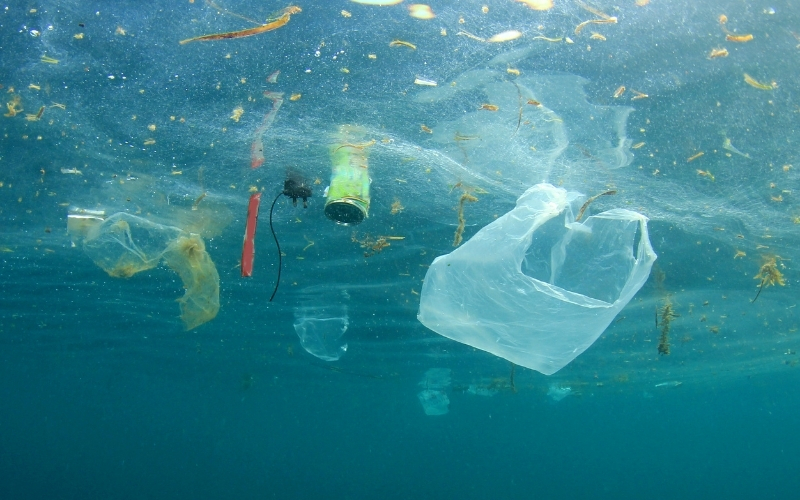
In the 1960s, the era of modern plastics unfolded, marked by a proliferation of diverse polymer formulations and their ubiquitous presence in consumer goods. However, this period also saw a growing awareness of the environmental impact of plastic waste.
Concerns intensified in subsequent decades as plastic pollution became a global issue, prompting discussions about sustainability and recycling. The advent of single-use plastics further heightened environmental apprehensions, leading to calls for reduced plastic consumption and innovative waste management solutions.
The 21st century has witnessed ongoing efforts to address these concerns, with a focus on developing eco-friendly alternatives and implementing policies to mitigate the ecological footprint of plastic materials.

Yelkenciler Engineering Content Manager